
No products in the cart.
Top 10 Benefits of Ostomy Barrier Rings for Comfort & Leak Prevention
Introduction to Ostomy Barrier Rings
Living with an ostomy can bring a new set of challenges, from preventing leaks to protecting sensitive skin. One of the most effective tools in an ostomate’s toolkit is the ostomy barrier ring. These simple yet highly functional accessories act as a protective seal between the stoma and the ostomy appliance, ensuring comfort, preventing leaks, and maintaining skin health.
For people with a colostomy, ileostomy, or urostomy, barrier rings can make daily life more manageable. In fact, ostomy care experts often recommend them as a first step in leak prevention and skin protection strategies.
What Are Ostomy Barrier Rings?
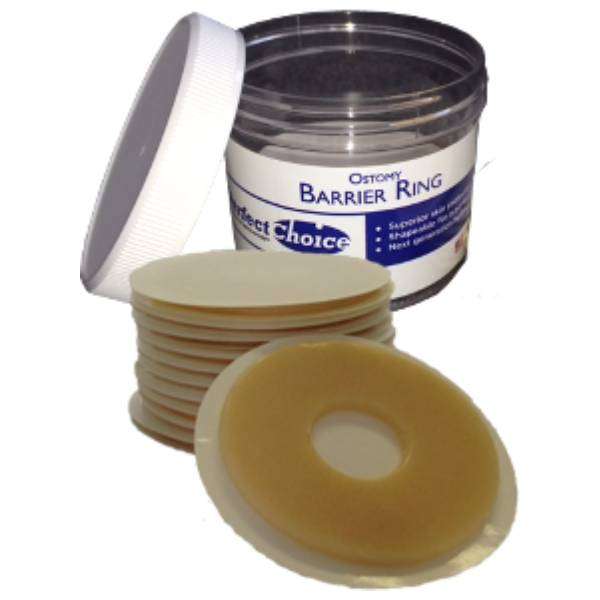
Ostomy barrier rings are soft, moldable, donut-shaped rings designed to create a secure seal around the stoma. Made from hydrocolloid material, they adhere gently to the skin, filling in gaps or creases where leaks might occur. Unlike flat adhesive wafers alone, barrier rings adapt to your body’s unique contours, creating a custom-fit seal.
The Role of Barrier Rings in Ostomy Care
Barrier rings play multiple roles in ostomy care:
Preventing leaks by sealing gaps between the stoma and the appliance.
Reducing skin irritation caused by output seepage.
Improving appliance adhesion for longer wear time.
Offering comfort by cushioning the skin under the appliance.
Types of Ostomy Barrier Rings
Standard Barrier Rings
These are pre-sized rings that provide consistent thickness and sealing properties. They’re ideal for most ostomates with round or oval stomas and minimal skin irregularities.
Moldable Barrier Rings
Flexible and shapeable, moldable rings allow you to customize the seal based on your stoma’s shape and the skin’s surface. They’re perfect for people with irregular stoma shapes or uneven peristomal skin.
Thin Barrier Rings
As the name suggests, these are slimmer than standard rings. They’re great for people with minimal gaps who still want added protection without bulk.
How Ostomy Barrier Rings Work
Creating a Seal Between Skin and Appliance
The hydrocolloid material swells slightly when in contact with moisture, forming a snug seal that blocks leaks. This ensures that output stays inside the pouch where it belongs.
Reducing Skin Irritation and Leakage
Barrier rings act as a protective buffer, reducing the risk of peristomal skin irritation caused by output contact. This is especially helpful for high-output ileostomies and urostomies.
Benefits of Using Ostomy Barrier Rings
Enhanced Comfort and Fit
Barrier rings conform to the natural curves of your body, creating a snug and comfortable fit under the ostomy appliance. This helps reduce pressure points and discomfort, especially when bending, stretching, or sitting for extended periods.
Protection Against Leakage
Leaks are one of the most common concerns for ostomates. Barrier rings create an additional protective layer that helps prevent seepage under the adhesive wafer, reducing the likelihood of embarrassing and inconvenient leaks.
Skin Barrier and Irritation Prevention
Peristomal skin (the skin around the stoma) can be very sensitive. Barrier rings provide a cushioning effect and keep output away from direct skin contact, reducing redness, itching, and painful rashes.
Flexibility and Customization
Unlike pre-cut wafers that have limited flexibility, moldable barrier rings can be shaped and stretched to fit your unique stoma size and contour. This customization ensures better protection and comfort.
How to Choose the Right Ostomy Barrier Ring
Considering Stoma Shape and Size
Round Stomas → Standard rings often work well.
Irregular Shapes → Moldable rings are ideal for filling in gaps.
Small Gaps → Thin rings provide adequate protection without bulk.
Adhesive Strength and Wear Time
If you have oily skin or high activity levels, choose a ring with strong adhesive properties for longer wear time. Some rings are designed for 1–3 days, while others can last up to 5–7 days depending on your output and skin condition.
Compatibility with Your Ostomy Appliance
Not all rings pair well with every appliance. Check manufacturer recommendations to ensure the barrier ring works seamlessly with your pouching system.
Step-by-Step Guide to Applying Ostomy Barrier Rings
1. Preparing the Skin
Cleanse the skin gently using warm water (avoid soap with lotions or oils).
Pat dry thoroughly to ensure better adhesion.
2. Shaping and Applying the Ring
Remove the ring from its packaging.
Stretch or mold it to match your stoma’s size and shape.
Position the ring around the stoma, pressing gently to ensure it adheres.
3. Securing the Ostomy Appliance
Apply your ostomy wafer or baseplate over the ring.
Attach the pouch securely, ensuring no gaps remain.
Common Mistakes to Avoid When Using Barrier Rings
Applying the ring to wet or oily skin — it won’t stick well.
Using the wrong thickness — too thick can cause discomfort, too thin may not prevent leaks.
Overstretching moldable rings — can cause tearing and reduce effectiveness.
Troubleshooting Leakage and Skin Issues
When to Replace the Barrier Ring
If you notice:
Output seeping under the wafer
Skin irritation or redness
Weak adhesion after cleaning
Replace the ring immediately to prevent further issues.
Adjusting Application Technique
Sometimes leakage is due to incorrect placement. Try:
Cutting a smaller or larger opening
Using a double-layer method for deep skin folds
Switching from standard to moldable rings
Expert Tips for Extending Barrier Ring Wear Time
Avoid using oily moisturizers around the stoma.
Press the ring firmly for at least 30 seconds to improve adhesion.
Apply in a warm room so the material molds better to your skin.
Caring for the Skin Around the Stoma
Gentle Cleansing and Moisturizing
Use fragrance-free wipes or warm water.
Avoid scrubbing — it can damage delicate skin.
Recognizing Early Signs of Irritation
Look for:
Redness or swelling
Itchy or burning sensations
Small open sores
Address these early to avoid worsening.
When to Consult an Ostomy Nurse or Specialist
Seek professional help if:
You have recurring leaks despite using barrier rings
Skin irritation worsens or becomes painful
Your stoma size or shape changes significantly
Best Brands and Products for Ostomy Barrier Rings
Perfect Choice
Perfect choice next generation ostomy barrier ring is like a friendly shield for your skin. Ideal for people with sensitive skin.
Hollister
Known for comfort and skin-friendly formulas, Hollister rings are soft, easy to mold, and long-lasting.
Coloplast
Offers a variety of thickness options with strong adhesion for active lifestyles.
Convatec
Provides moldable designs perfect for irregular stomas and sensitive skin.
Cost and Insurance Coverage
Barrier rings typically cost $2.50–$5.00 each. Many insurance plans and national health programs cover ostomy supplies, but check with your provider for specifics. Buying in bulk or through medical supply companies can help reduce costs.
FAQs on Ostomy Barrier Rings
1. How long should a barrier ring last?
Most last 1–3 days, but some high-quality rings can last up to 5–7 days depending on your skin and activity level.
2. Can I use a barrier ring with any ostomy appliance?
Yes, most are universally compatible, but always confirm with your product supplier.
3. Are barrier rings reusable?
No, they are single-use only for hygiene and effectiveness.
4. What if my barrier ring melts or breaks down quickly?
This may be due to high-output stomas or excessive moisture. Switching brands or thickness can help.
5. Can barrier rings help with high-output ileostomies?
Yes, they’re particularly helpful for creating a strong seal against liquid output.
6. Is it okay to stack barrier rings for deeper skin folds?
Yes, many ostomates layer rings for added protection in challenging skin areas.
Conclusion and Final Recommendations
Ostomy barrier rings are an essential tool for preventing leaks, protecting skin, and ensuring comfort in daily life. By choosing the right type, applying it correctly, and caring for your skin, you can enjoy greater confidence and security with your ostomy appliance. Whether you’re new to ostomy care or looking to improve your current routine, barrier rings can make a world of difference. Contact us for all your ostomy and colostomy care needs.
For additional guidance, speak with a certified ostomy nurse or visit resources such as the United Ostomy Associations of America for expert advice and community support.