
No products in the cart.

Exercising With a Stoma: Safe Workouts and Hernia Prevention
Yes, most ostomates can exercise again after recovery, once their care team has cleared them to do so. Walking, swimming, cycling, yoga, and light strength work are all possible with a stoma, and regular movement often improves energy, mood, and confidence. The key is to start gently, protect your abdominal wall, and keep your pouch secure.
When Can You Start Exercising Again?
Recovery times vary, so follow your surgeon’s or stoma nurse’s guidance rather than a fixed date. In the first weeks after surgery, gentle walking is often encouraged, while heavy lifting, sit-ups, and contact sports usually wait longer.
Start with short, easy sessions and build up gradually. Mild muscle tiredness is normal, but sharp abdominal pain, swelling around the stoma, or a new bulge should prompt you to stop and seek advice. Returning slowly is not a setback; it is how you build lasting strength safely.
Safe Workouts to Try First
Good starting options include:
- Walking, including gentle hills as fitness improves
- Stationary cycling and light outdoor cycling
- Swimming, once your wound has healed and your team agrees
- Gentle yoga, stretching, and breathing exercises
- Light resistance work with small weights or bands
For more detail on water confidence, read about swimming with a colostomy bag rather than avoiding the pool altogether. Many ostomates swim regularly with a secure pouch and a comfortable swimsuit.

Hernia Prevention: Protecting Your Abdominal Wall
A parastomal hernia, a bulge around the stoma, is a known risk after ostomy surgery, but careful habits can reduce the strain on your abdominal wall. Avoid sudden heavy lifting, especially while twisting, and lift with your legs rather than your stomach when you must lift.
Support garments or a hernia belt can help during exercise, particularly for running, lifting, or core work, but fit matters. Ask your stoma nurse to check the garment, as one that is too tight can press on the pouch or affect output. Breathe out during effort, rather than holding your breath, and build core strength gradually with gentle, controlled movements rather than intense sit-ups.
If you notice a bulge, heaviness, or discomfort around your stoma, especially when standing or coughing, contact your care team for assessment.
Pouch Tips for Active Days
To keep your pouch in place during exercise, empty it beforehand and check the seal. Wear a support belt or high-waisted, comfortable workout clothing if it helps you feel secure, and avoid a waistband that sits directly across the stoma if it rubs.
Sweat can affect adhesion, so change promptly after a sweaty session, rinse gently, and dry the skin well before applying a new barrier. Keep a spare pouch, wipes, and a disposal bag in your gym bag, so a leak never ends your workout in embarrassment.
Hydration, Food, and Recovery
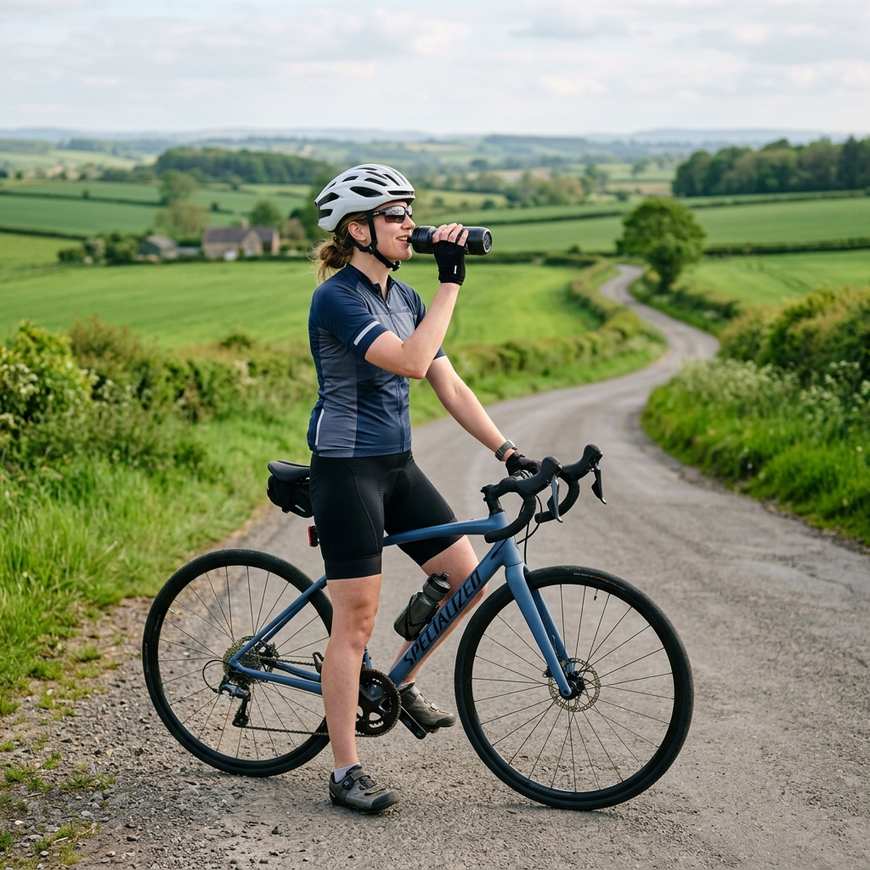
Exercise increases fluid loss, so hydration during exercise deserves extra attention, especially if you have an ileostomy. Sip water before, during, and after activity, and discuss electrolyte drinks with your care team if you exercise for a long time or in heat.
Eat a light meal a couple of hours before training if a full stomach makes output unpredictable, and avoid trying a large portion of a new food on a training day. After exercise, rest, stretch gently, and note any soreness, skin irritation, or pouch problems so you can adjust next time.
Frequently Asked Questions
Can I lift weights with a stoma?
Many people can, once cleared by their care team, starting with light weights and good technique. Avoid sudden maximal lifts, use a support garment if advised, and stop if you feel pain or pressure around the stoma.
Is running safe with an ostomy?
Yes, for many ostomates. Start with walk-run intervals, empty your pouch beforehand, wear supportive clothing, and build distance gradually.
What exercise should I avoid at first?
Contact sports, heavy lifting, and intense abdominal exercises are usually delayed until healing is well established. Always check with your surgeon or stoma nurse first.
Will exercise cause my pouch to leak?
It should not, if the seal is good and the pouch is emptied beforehand. A support belt, suitable clothing, and prompt changes after sweaty sessions all help.

Conclusion
Exercise with a stoma is about returning to movement on your terms: start gently, protect your core, keep your pouch secure, and stay hydrated. With clearance from your care team and a gradual plan, activity can become a normal, enjoyable part of life again, not something to fear.
Disclaimer: This post shares general information only and is not medical advice. For personal exercise, hernia symptoms, or product decisions, please consult your stoma nurse or doctor.